Multi-technology
Reproducible research
Modular
Logo domobio 1

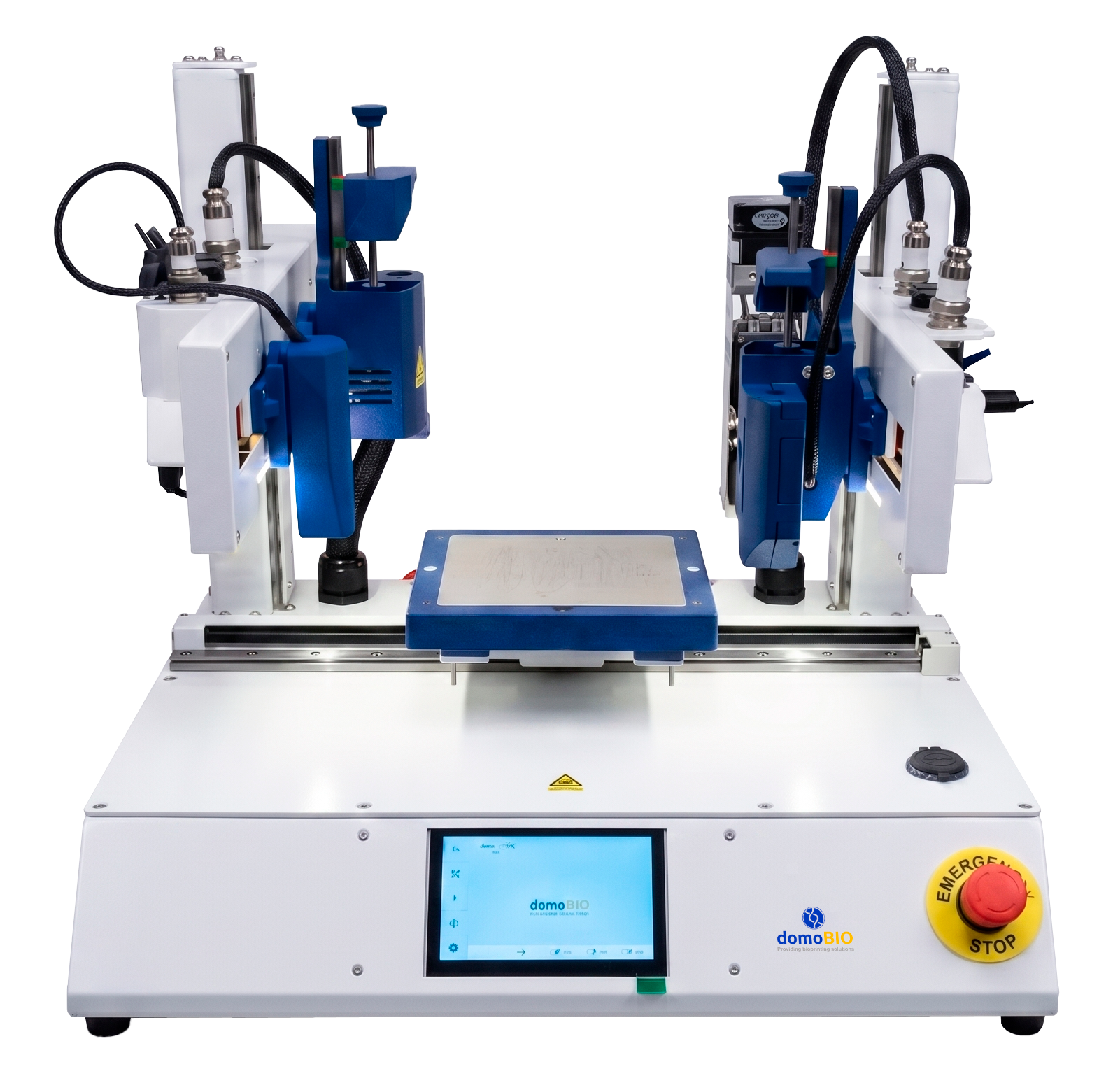
Multi-technology bioprinting platform for advanced research

A modular biomanufacturing system for universities, research centers, and laboratories that require the highest precision in tissue engineering.

Innovation in biomanufacturing since 2015

Developed by Domotek, the domoBIO platform is the result of years of experience in additive manufacturing applied to the healthcare sector. Our mission is to provide researchers with tools that eliminate technical barriers, allowing them to focus on what really matters: scientific discovery.

Each system is assembled according to rigorous quality standards, ensuring mechanical reliability that guarantees reproducible results in every clinical or experimental trial.

research,

multi-technology,

multi-material.

It combines multiple materials and scales within a single experimental process.

One platform. Multiple technologies

domoBIO integrates the leading advanced biomanufacturing technologies into a single system.

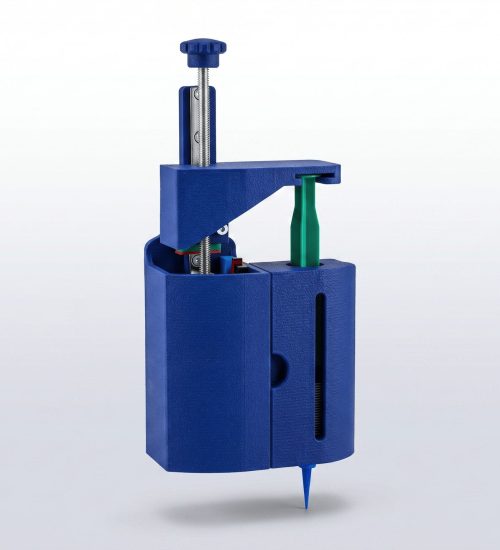
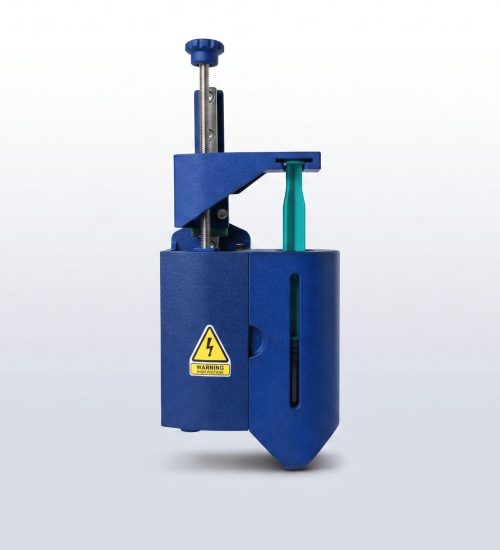
Bioprinters 1 2 solution electrospinning

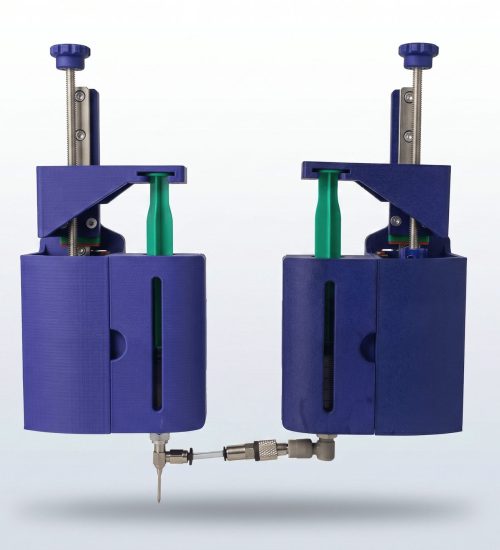
Solution-based electrospinning

Electrospinning is a technique for producing nanofibers from polymer solutions using high voltage. These fibers are used in biomedicine, filtration, and tissue engineering.

Sol-Electrospinning Extruder

  • Compatible volumes: 3.5 and 10 mL
  • Maximum viscosity: 200 Pa·s
  • Nozzle diameter: 14G – 27G Luer Lock
  • Temperature range: up to 25 kV
Bioprinters 2 melt electrowriting mew

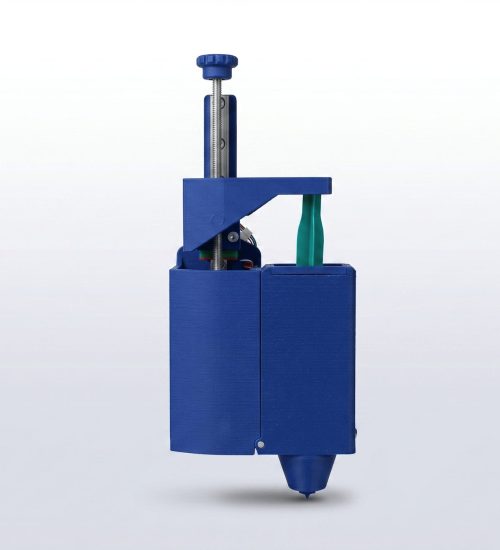
Melt Electrowriting (MEW)

Melt Electrowriting (MEW) es una tecnología de fabricación que extruye polímero fundido mediante calentamiento para construir estructuras 3D capa a capa. Permite crear geometrías complejas con alta precisión.

Melt Electrowriting Extruder

  • Temperature range: ambient – 250 °C
  • Compatible diameter: 0.5 mm
Bioprinters 3 syringe extrusion

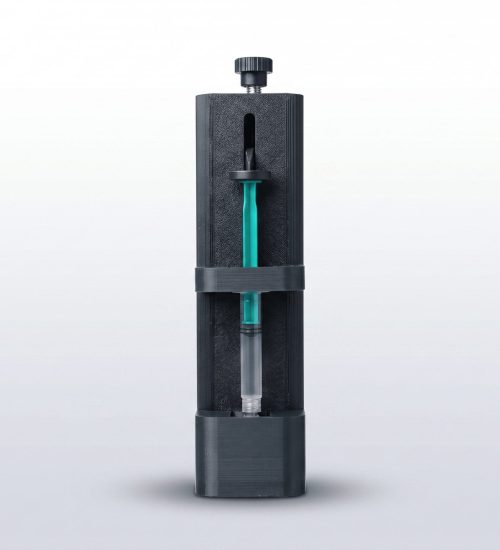
Syringe Extrusion

3D printing of hydrogels uses an extrusion process to shape the hydrogel into complex structures. It is commonly used in tissue engineering and regenerative medicine.

Syringe Extrusion

  • Compatible volumes: 3.5 and 10 mL
  • Maximum viscosity: 200 Pa·s
  • Nozzle diameter: 14G – 27G Luer Lock
  • Temperature range: ambient
Bioprinters 4 heated syringe extrusion

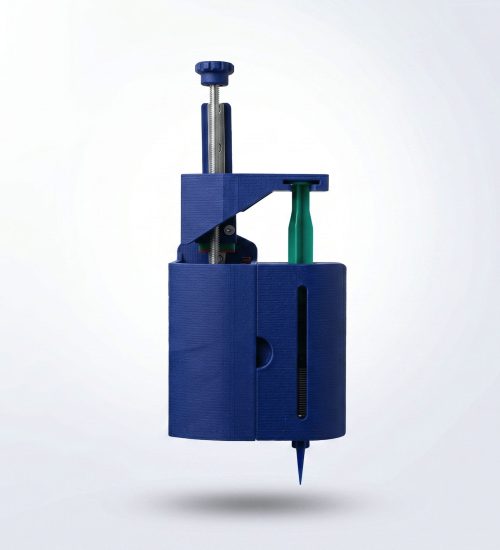
Heated Syringe Extrusion

Bioprinting with bioinks is a process for manufacturing 3D structures that promote cell growth, widely used in tissue engineering and regenerative medicine.

Heated Syringe Extrusion

  • Compatible volumes: 3.5 and 10 mL
  • Maximum viscosity: 200 Pa·s
  • Nozzle diameter: 14G – 27G Luer Lock
  • Temperature range: ambient – 60 °C
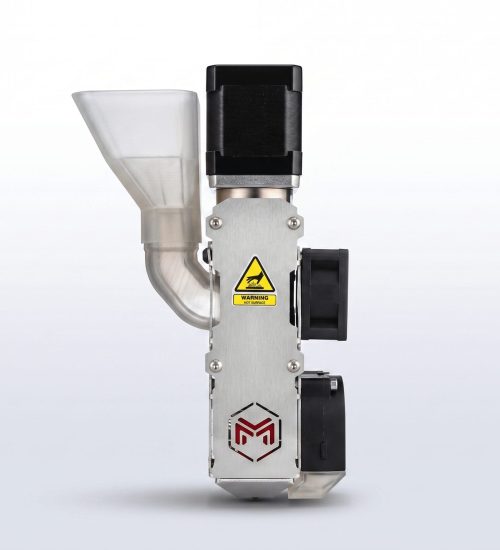
Bioprinters 5 pellet 3d printing

Pellet 3D Printing

Fused Deposition Modeling (FDM) using pellets is an additive manufacturing technology that melts polymer pellets to create structures layer by layer. It enables efficient and flexible manufacturing with advanced materials.

Pellet Extruder

  • Temperature range: ambient – 250 °C
  • Compatible diameter: 0.5 – 5 mm
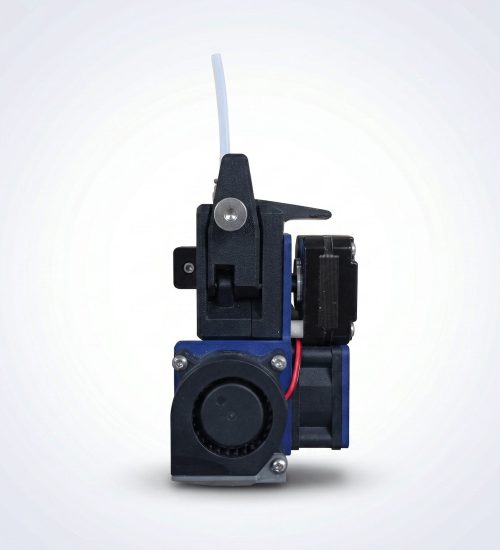
Bioprinters 6 filament 3d printing

Filament 3D Printing

3D printing with filament is an additive manufacturing process in which a thermoplastic filament is melted in a heated extruder and deposited layer by layer to build three-dimensional structures.
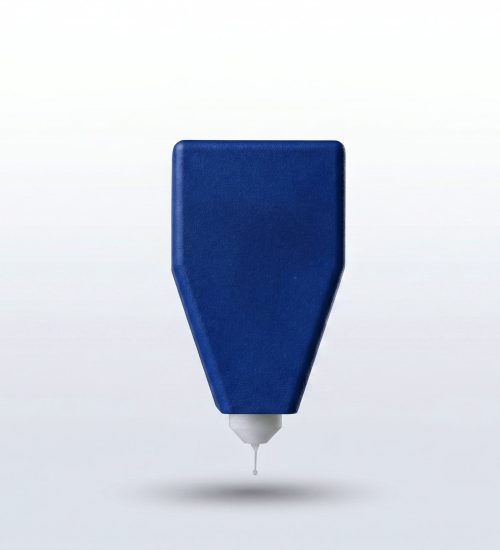
Filament Extruder

  • Temperature range: ambient – 250 °C
  • Nozzle diameter: 0.2 – 1 mm
  • Compatible diameter: 1.75 mm
Fabrication systems

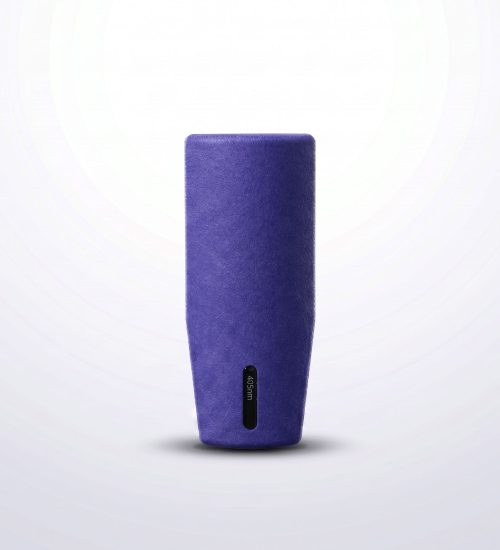
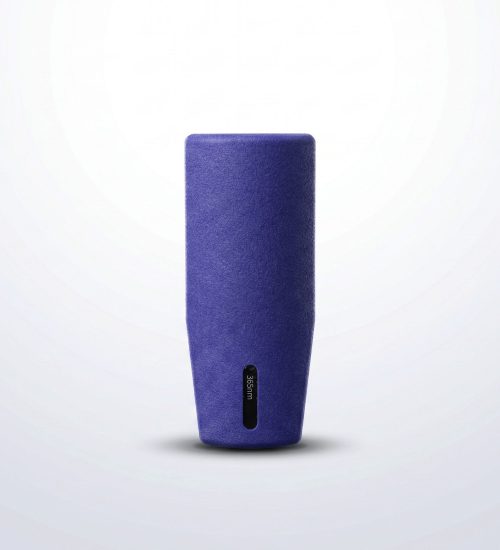
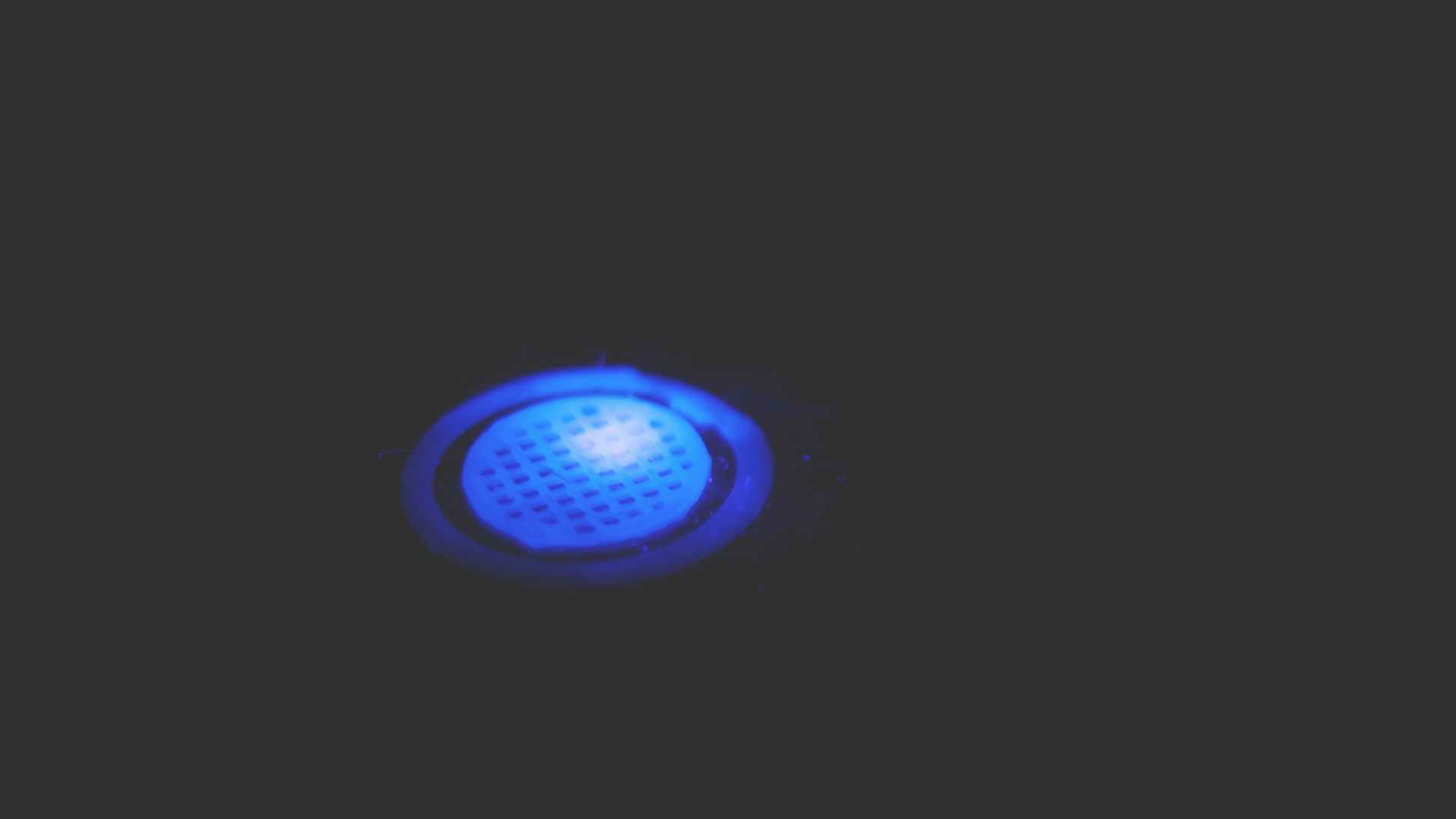
UV Head

UV photopolymerization in additive manufacturing is a process in which ultraviolet radiation cures photosensitive resins, enabling the formation of high-precision three-dimensional structures.

UV Tool 365 nm / 405 nm

UV Tool 365 nm
  • Dimensions (mm): 37.5 x 130.5 x 43.5
  • Wavelength: UV 365 nm
  • Maximum intensity: 10 × 10⁴ µW/cm²

UV Tool 405 nm
  • Dimensions (mm): 37.5 x 130.5 x 43.5
  • Wavelength: UV 405 nm
  • Maximum intensity: 3 × 10⁴ µW/cm²
Bioprinters 8 auto calibration

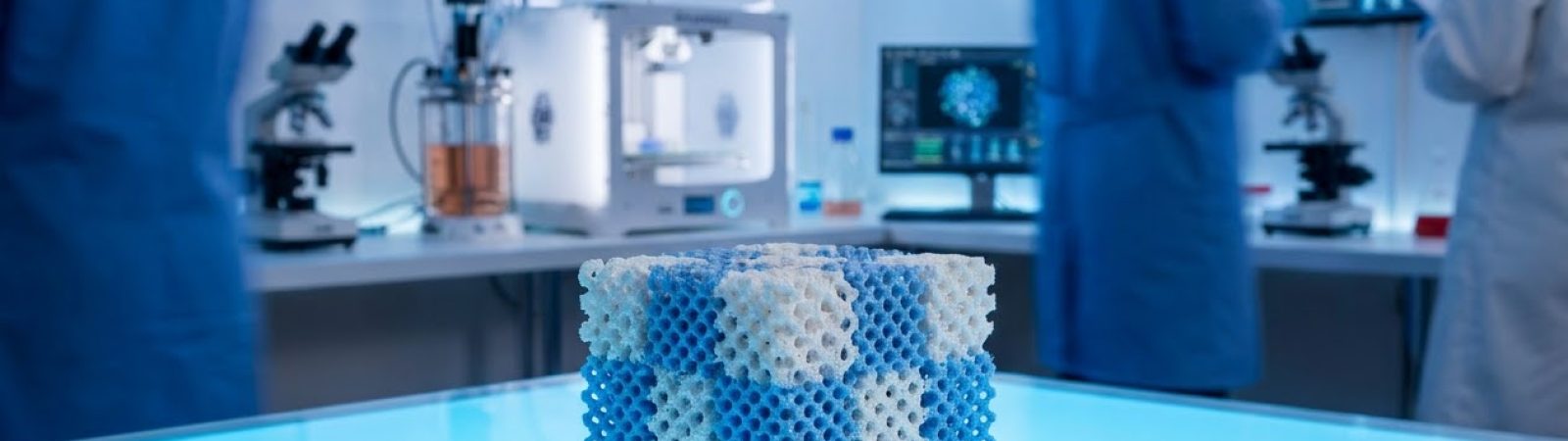
Auto Calibration

The automatic calibration system improves process accuracy and reduces manual intervention, thereby increasing reproducibility and manufacturing efficiency.
Auto Calibration Module

  • Sensor type: compatible with environments up to 250 °C
  • Wavelength: UV 365 nm
  • Maximum intensity: 10 × 10⁴ µW/cm²

Why choose domoBIO?

Reproducibility

Automated protocols to ensure that each print is identical to the previous one.

Flexibility

Compatible with a wide range of bio-inks and thermoplastic materials.

Time Savings

Drastically reduce setup time with plug-and-play print heads.

Modularity

Upgrade your system with new technologies without having to buy new equipment.

Real-Time Monitoring

Built-in cameras and thermal sensors for complete process control.

Scientific validation

Backed by research, publications, and collaboration with leading institutions.

Cutting-edge technologies

Bioimpresión por Extrusión

Nuestra tecnología de extrusión neumática y mecánica permite trabajar con biotintas de viscosidad variable, desde colágeno hasta hidrogeles sintéticos, manteniendo la viabilidad celular por encima del 95%.

Fabricación de nanofibras y microestructuras de precisión

Tecnologías de electrohilado en solución y Melt Electrowriting (MEW) para la creación de estructuras fibrosas de alta resolución, utilizadas en ingeniería de tejidos y biomateriales avanzados.

Hybrid Fabrication and Functionalization of Materials

A combination of coaxial extrusion and UV photopolymerization for the creation of advanced structures with optimized biological and mechanical functionality.

System Settings

Adapted to different research environments

Sistemas de fabricación
Cell Viability: A Focus on Living Cells

Focused on bioprinting with live cells, bioinks, and hydrogels. A laboratory environment optimized to preserve cell viability throughout the entire process.

The domoBIO is placed inside the temperature- and humidity-controlled chamber to manufacture advanced materials and engineering polymers.

Areas of Application

Cross-cutting solutions for the future of medicine.

Sistemas de fabricación

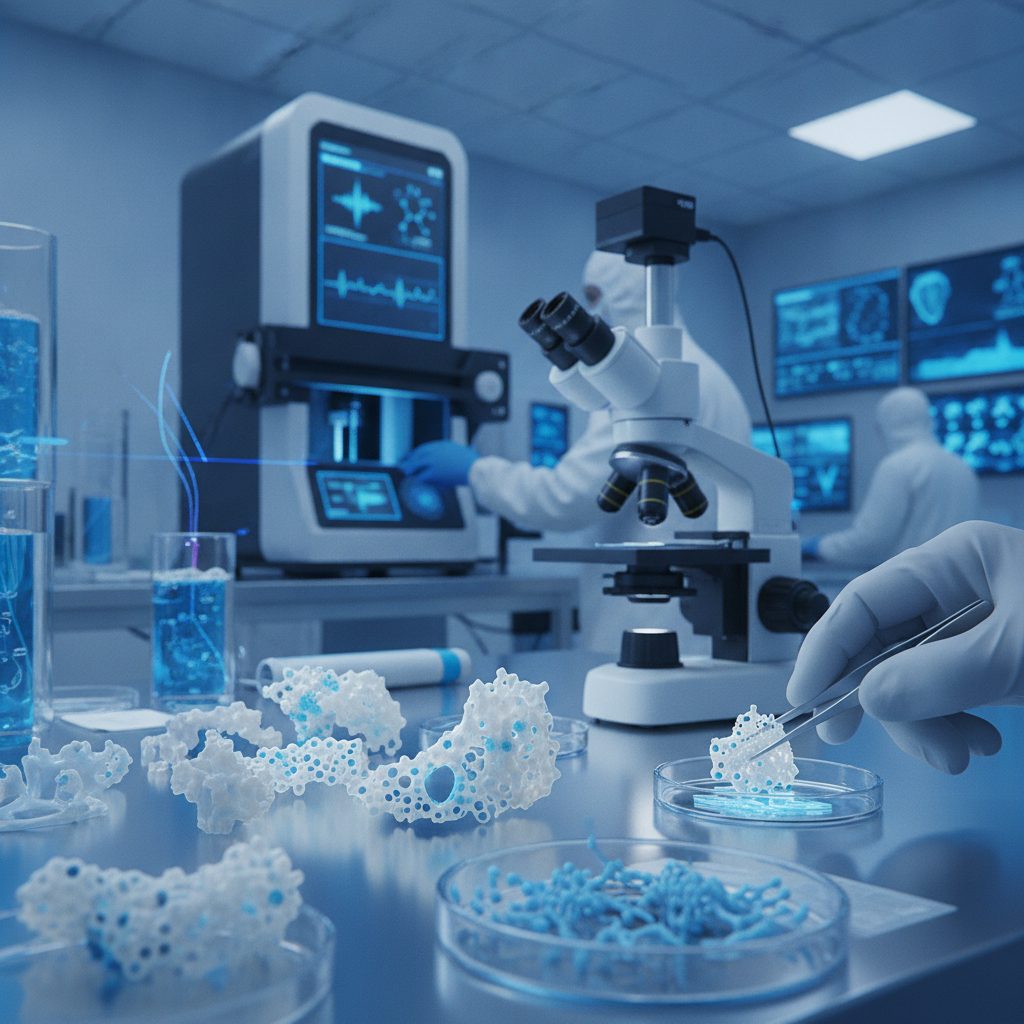
Tissue Engineering

Development of bioactive scaffolds for bone, cartilage, and skin regeneration.
Sistemas de fabricación

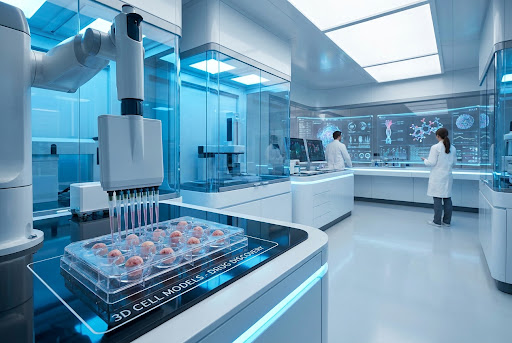
Drug Discovery

3D models for drug testing that reduce reliance on animal models.
Sistemas de fabricación

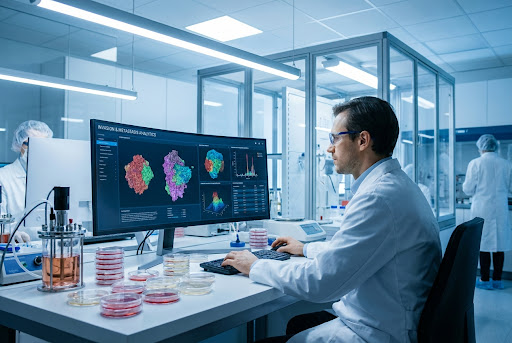
Organ-on-a-chip

Integration of microfluidic channels using multilayer precision printing.
Sistemas de fabricación

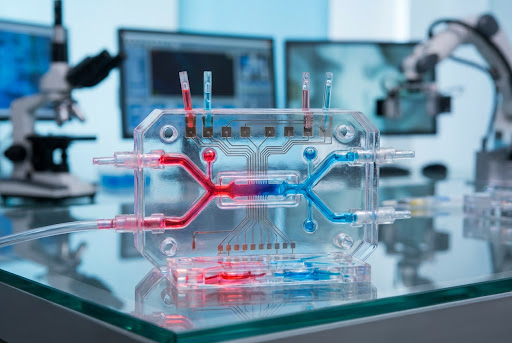
Biomaterials

Characterization and development of new biocompatible polymers.
Sistemas de fabricación

Oncology

3D tumor modeling for studies of invasion and metastasis.
Sistemas de fabricación

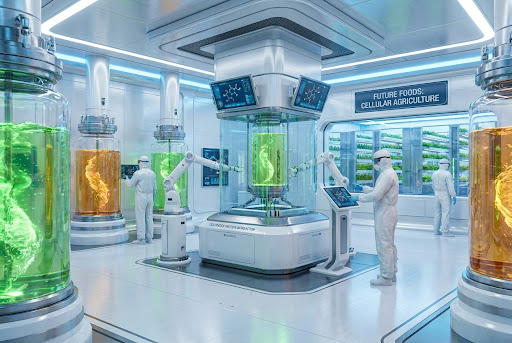
Food Biotechnology

Research on cultured meat and new food textures
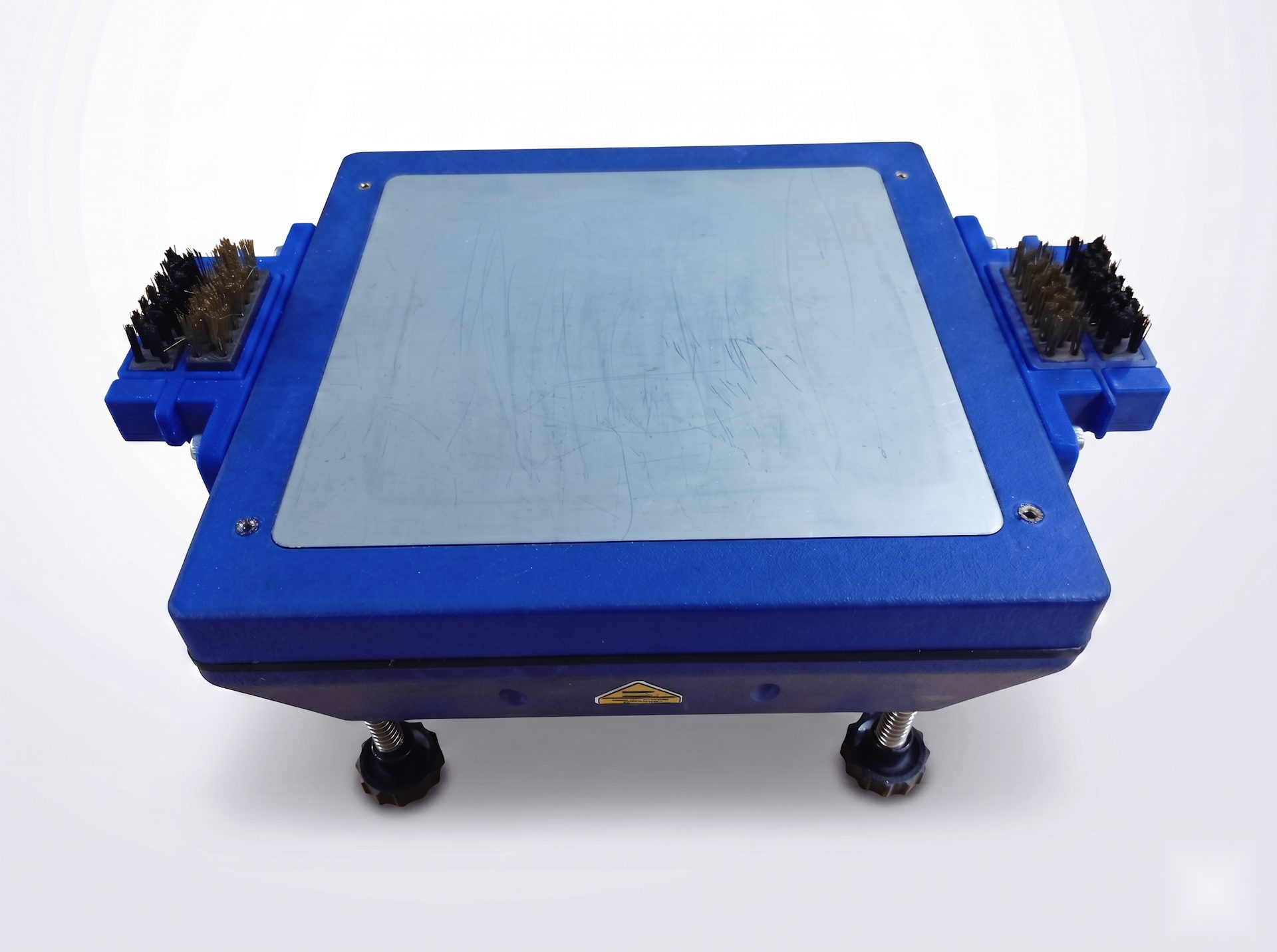
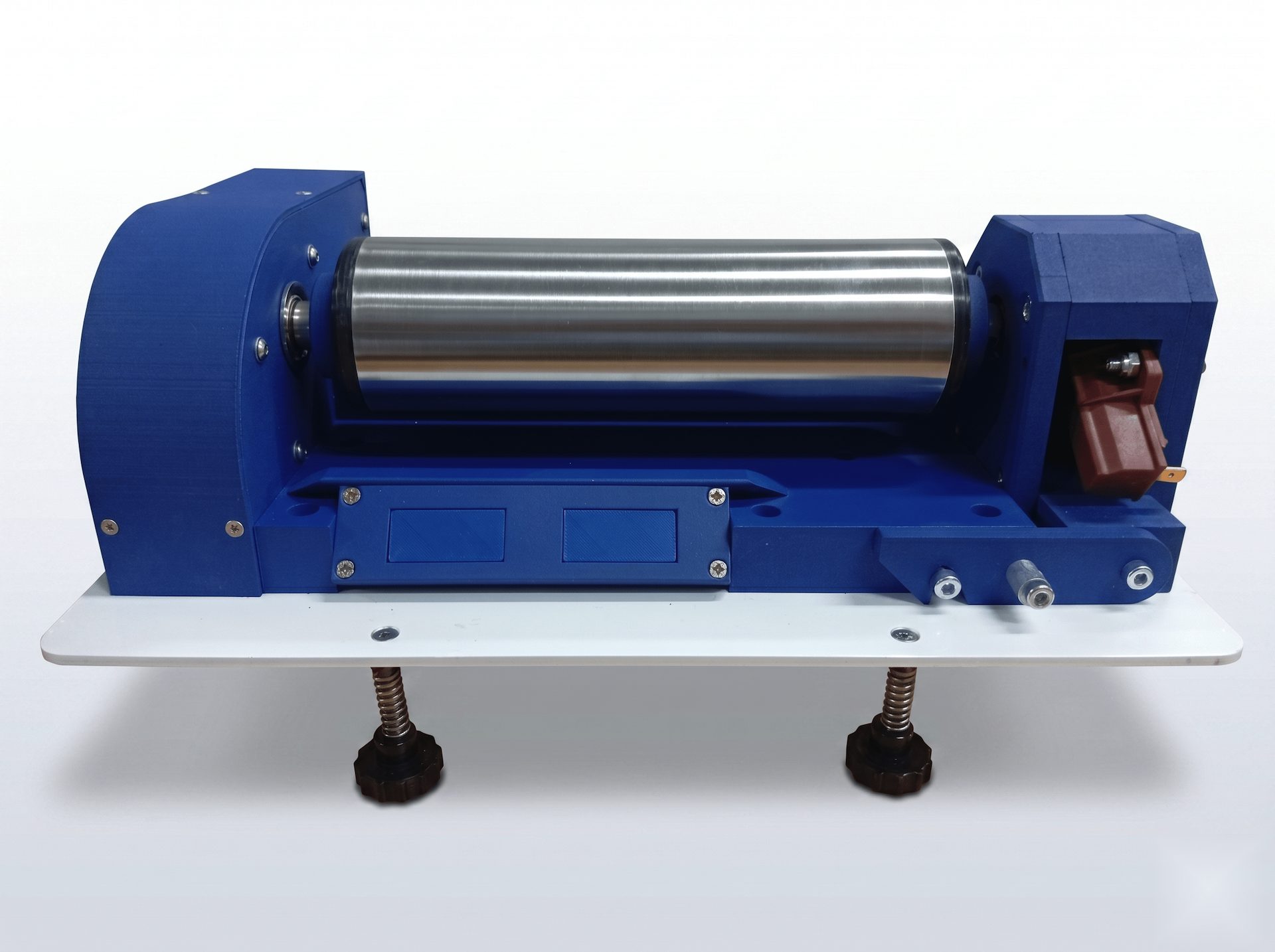
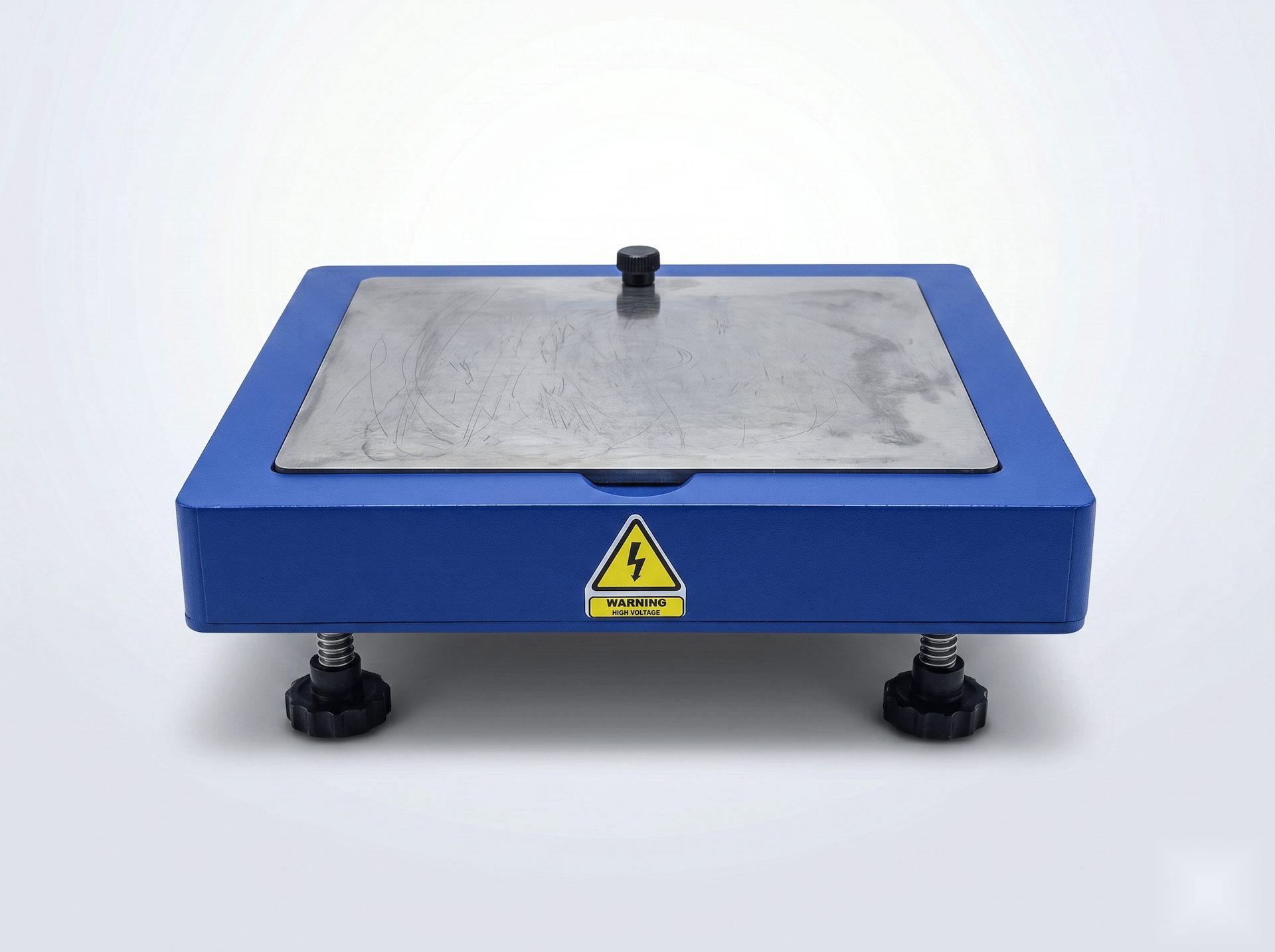
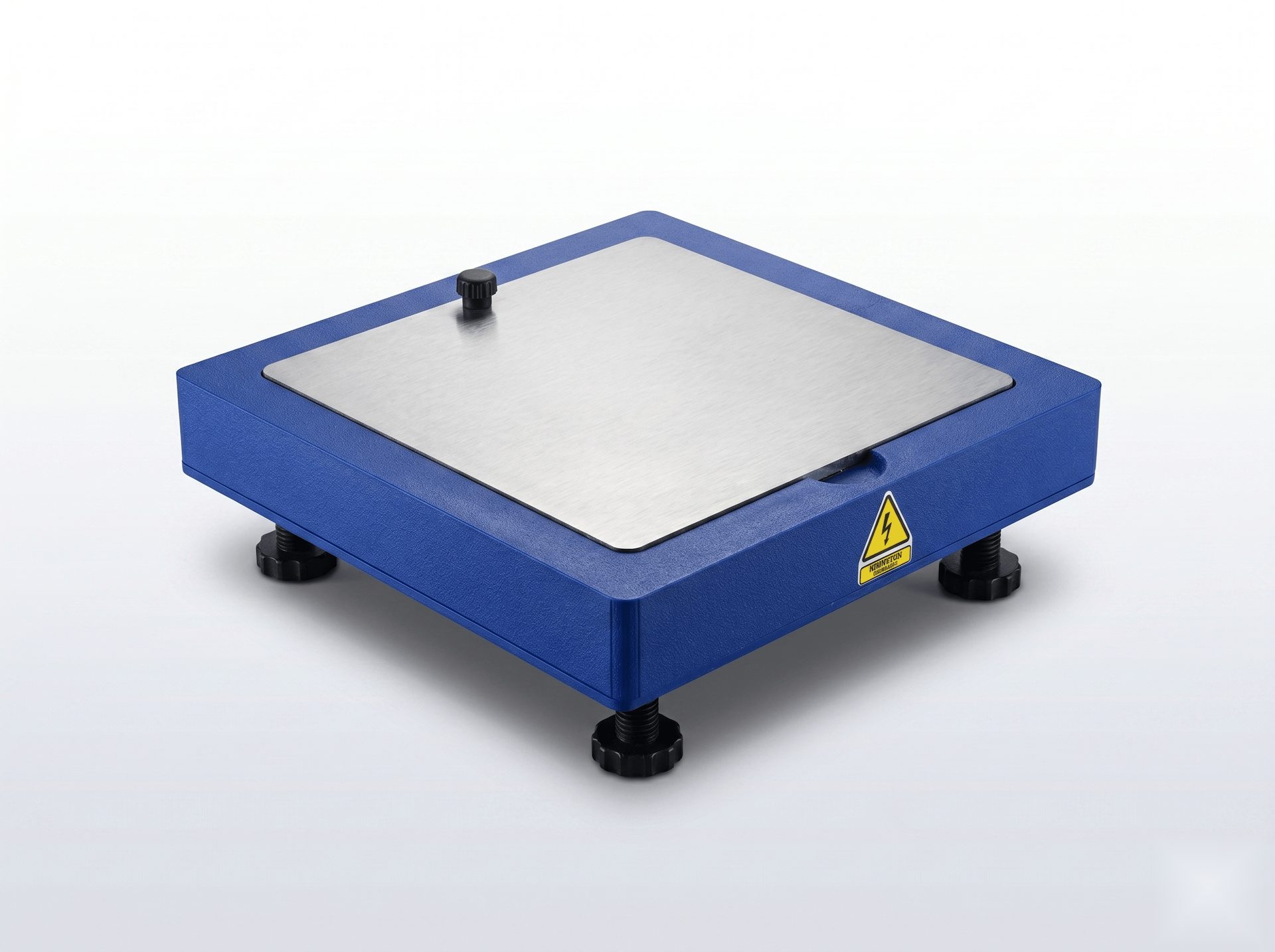
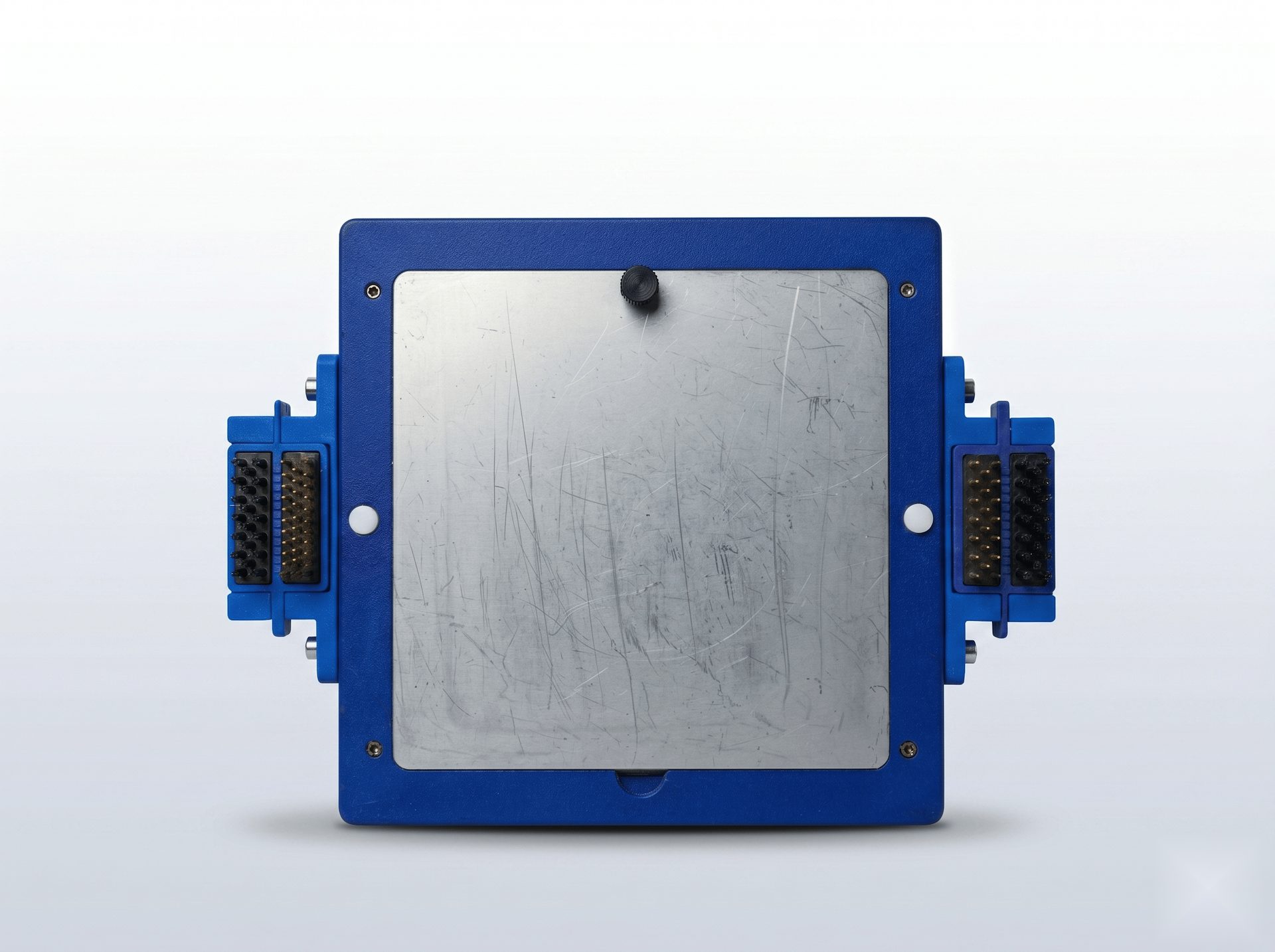
Interchangeable printing platforms

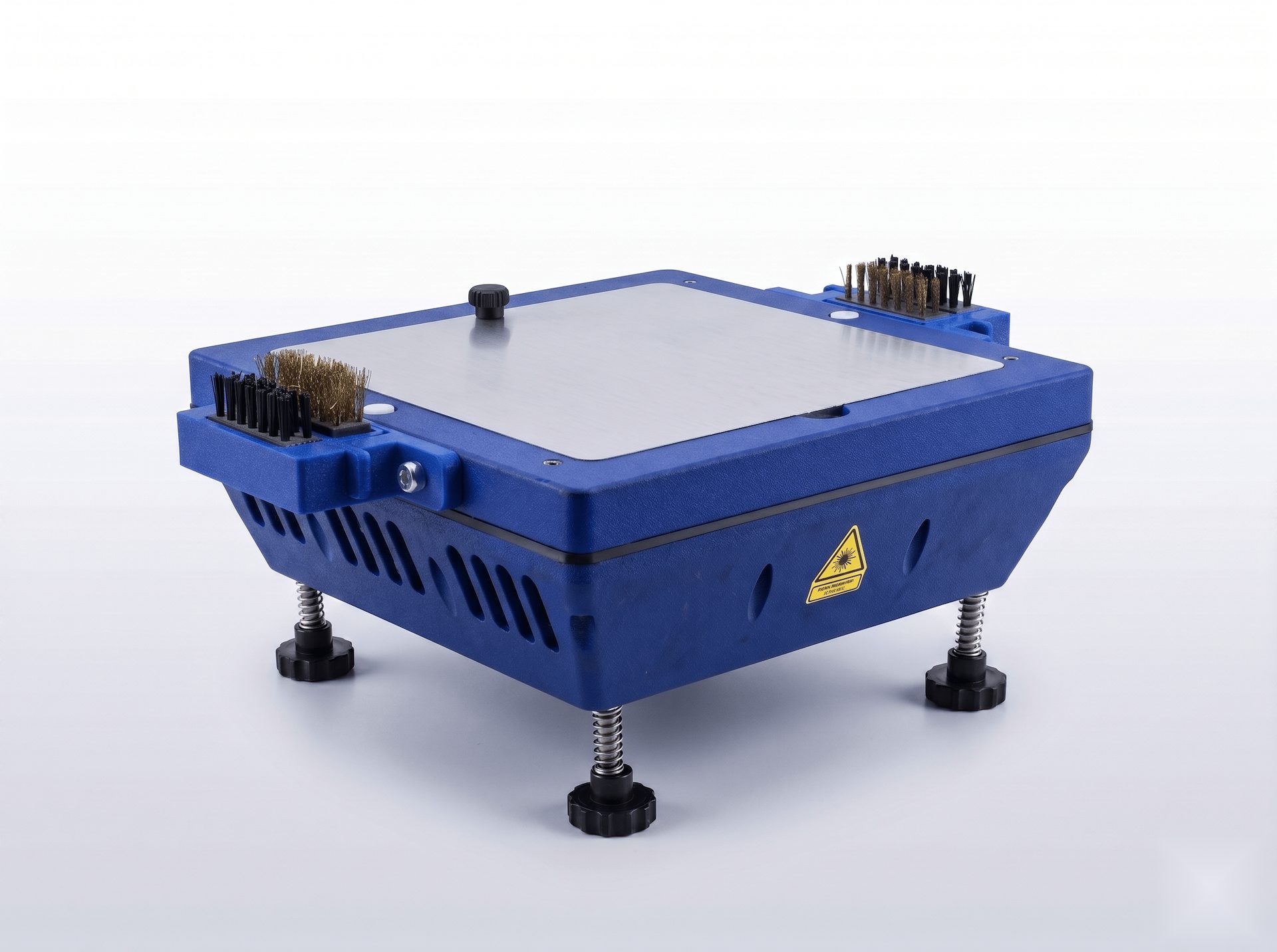
domoBIO incorporates an ecosystem of interchangeable platforms that allows the manufacturing process to be adapted to bio-inks, hydrogels, advanced polymers, or electrospun structures.

Heating/Cooling Platform

A temperature-controlled surface designed to keep bioinks and hydrogels within their optimal temperature range.

Roller Platform

Rotary collector system for electrospinning processes.

MEW Platform

A conductive surface specifically developed for Melt Electrowriting (MEW).

High-Performance Platform

Designed for technical materials and polymers that require high temperatures.

domoSLICER: total control

Our proprietary software, designed specifically for multi-technology biomanufacturing workflows.

Technology Configuration

Preconfigured profiles for each type of head and material.

Material Control

Real-time adjustment of flow rates and dynamic pressures.

CURA/G-code Compatibility

Open to industry standards for maximum flexibility in experimentation.

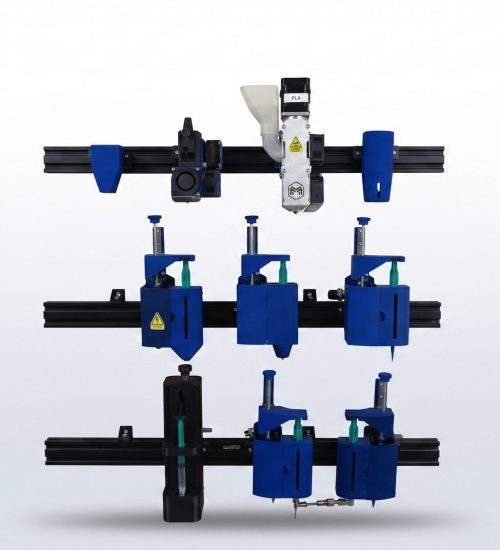
Modular platform with interchangeable heads

The domoBIO ecosystem grows with your research. Our interchangeable head system allows you to configure the equipment in seconds for different tasks.

Syringe Extrusion

Coaxial

Electrospinning

FDM standard

Granules

UV Module

Thermal fusion

MEW Head

Scientific validation

Patent EP 3 786 322 B1
"Formulation and 3D Printing of Collagen/Chitosan Inks: Tailoring the Scaffold Properties" BIOMAT & BCMaterials (UPV-EHU), Biogipuzkoa Health Research Institute (3D Printing Platform), Proteinmat Materials SL
"Innovative Use of Gallic Acid as a Crosslinking Agent for Gelatin" BIOMAT/BCMaterials (UPV/EHU) · Newcastle University
"Assessment of Collagen-Based Inks to Develop Bilayer Constructs by 3D Printing" *Teresa Carranza et al. (BIOMAT/BCMaterials – UPV-EHU), Advanced Materials Technologies (Wiley)

Would you like to use domoBIO in your project?

Our technical specialists are available to provide personalized consulting and show you how our technology can accelerate your research.

They've already tried it

Instead of talking about domoBIO’s fantastic features,
why not see what users have to say about domoBIO?

Technical Specifications

Sistemas de fabricación

Overall dimensions: 370 × 480 × 470 mm
Weight: 20 kg
Print heads: 230V AC, 50Hz
Build volume: 130 × 130 × 100 mm
Resolution: X·Y 0.0125 · Z 0.0001 mm
Power supply: 230 V AC · 50 Hz · 22 W
Connectivity: Ethernet · Web · Email alerts
Interface: Touchscreen · Cura · domoSLICER · .gcode

Find your reseller
User manual
Technical Especs.
Support
Item added to cart.
0 items - 0,00 

Let us help you!

Grow your business with our solutions

Let us help you!

Grow your business with our solutions
M. romo innova comienza su andadura en la tecnología 3d
Privacy overview

This website uses cookies so that we can offer you the best possible user experience. Cookie information is stored in your browser and performs functions such as recognizing you when you return to our website or helping our team to understand which sections of the website you find most interesting and useful.

You can review our privacy policy on the privacy and cookies page. privacidad and coockies.